
This year’s Nobel Prizes in Physiology or Medicine and Physics span an extraordinary range of research, from nerve cells in the brain to particles arriving from the depths of the universe. Light plays a key role in both award-winning discoveries, albeit in very different ways.
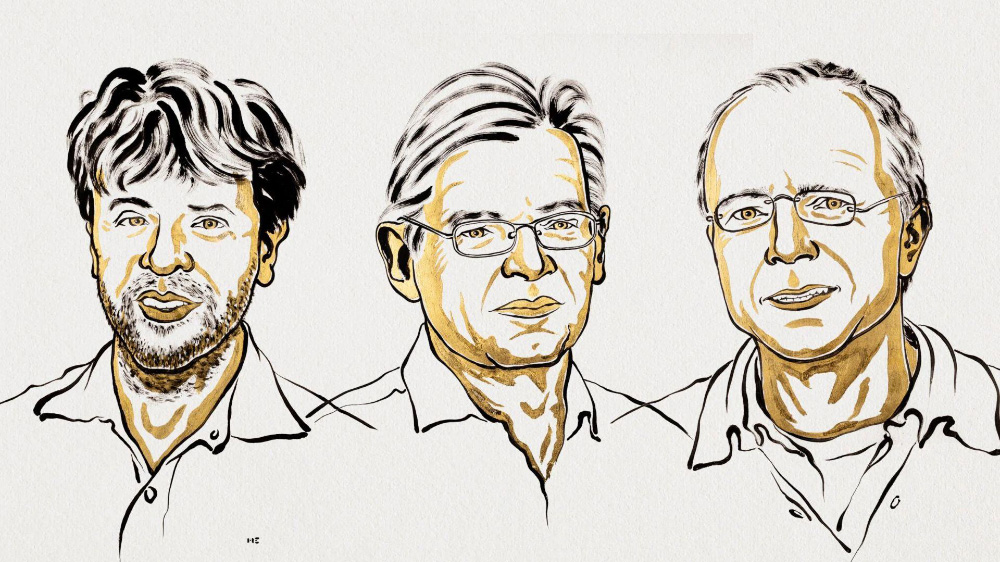
The 2026 Nobel Prize in Physiology or Medicine has been awarded to Karl Deisseroth, Peter Hegemann and Georg Nagel “for their discoveries concerning light-gated ion channels and optogenetics”. Their research laid the foundations for using light to precisely control the activity of selected cells. In neuroscience in particular, optogenetics has opened up new ways of investigating the function of neural networks. Potential medical applications are also being explored.
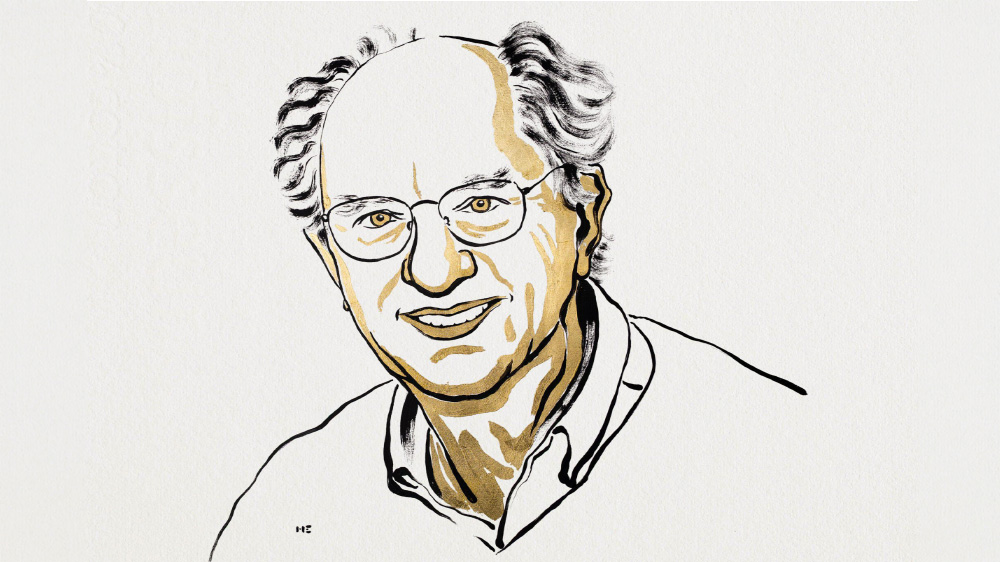
The 2026 Nobel Prize in Physics has been awarded to Francis Halzen for his decisive contributions to the IceCube Neutrino Observatory and the discovery of high-energy neutrinos of astrophysical origin. Neutrinos interact only extremely rarely with matter and are therefore notoriously difficult to detect. IceCube uses thousands of light sensors deep in the Antarctic ice to register the faint signals produced when these particles occasionally interact with matter. Neutrinos thus provide a new window onto some of the most energetic processes in the universe.
Despite the very different fields of research, light plays a key role in both. In optogenetics, it can be used to precisely influence the activity of cells. In the Antarctic ice, tiny flashes of light reveal the traces of particles that have travelled to us from the depths of the universe.
Author: Veit Ziegelmaier, Image: Veit Ziegelmeier (AI-generated)
Image captions – English
Nobel Prize in Physiology or Medicine
The 2026 Nobel Laureates in Physiology or Medicine Karl Deisseroth, Peter Hegemann and Georg Nagel. Illustration: Niklas Elmehed © Nobel Prize Outreach
Nobel Prize in Physics
2026 Nobel Laureate in Physics Francis Halzen. Illustration: Niklas Elmehed © Nobel Prize Outreach


